
affordability
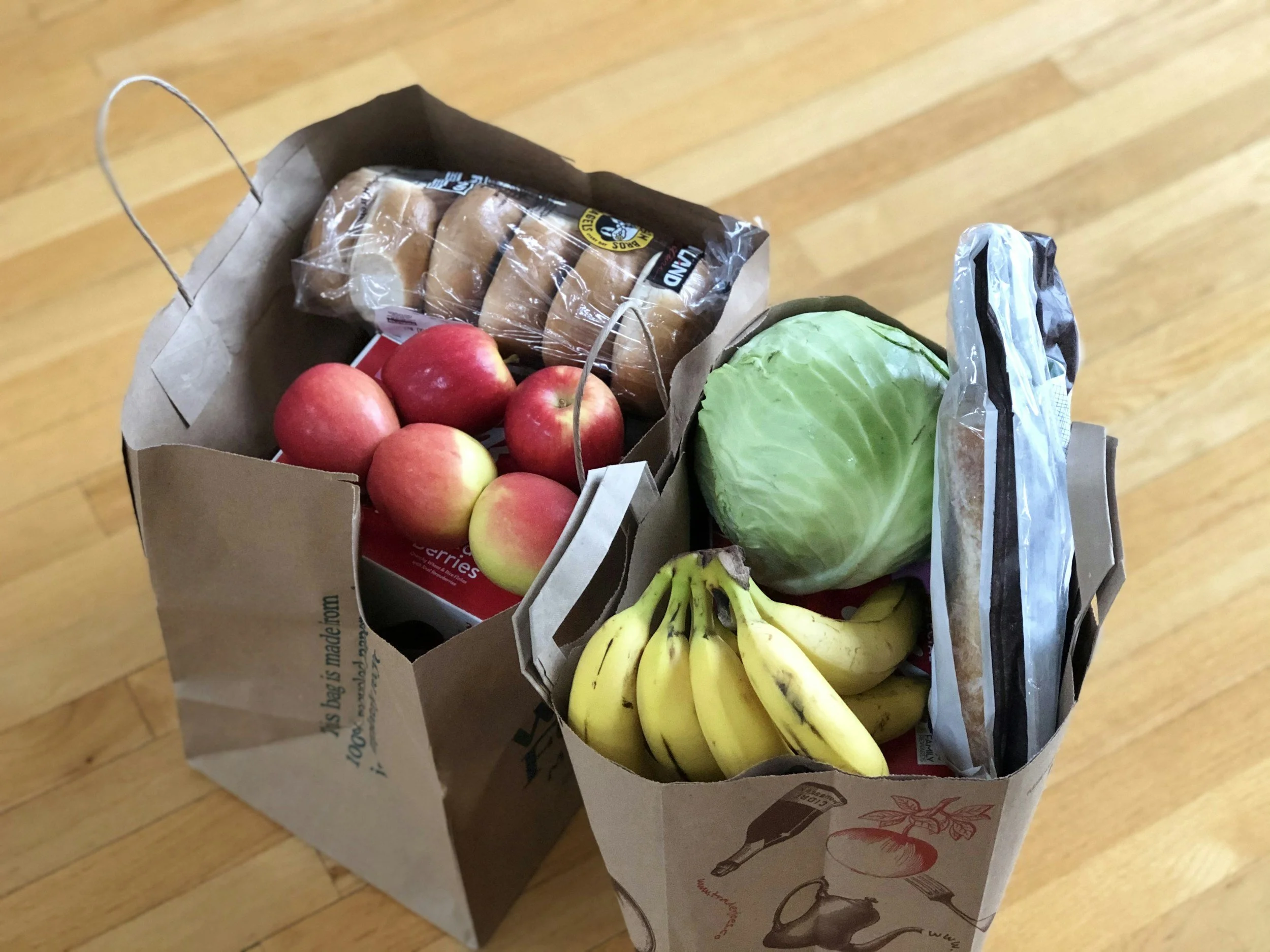
Groceries. Gas. Oil. Home Insurance. Electric bills. For families in District 22, keeping up has become a full-time job, and Rhode Island's policies aren't keeping pace with the pressure people are actually under.
Here's one number that should make everyone angry: for most Rhode Island households, delivery charges now exceed the cost of the electricity itself. You're paying more to have power sent to your home than you're paying for the power you actually use. Rhode Island consistently ranks among the highest electricity rates in the nation, and families here feel it every single month.
That's not a billing quirk. That's a policy failure.
We cannot keep looking the other way while families choose between keeping the lights on and putting food on the table — while seniors are pushed out of homes they've lived in for decades — while small businesses struggle to survive bills that keep climbing.
I will fight for real oversight of utility rates, full transparency in how costs are passed to consumers, and meaningful relief for working families. You deserve to know exactly what you're paying for. I know where the levers are — and I intend to use them.
coastal preservation and climate readiness
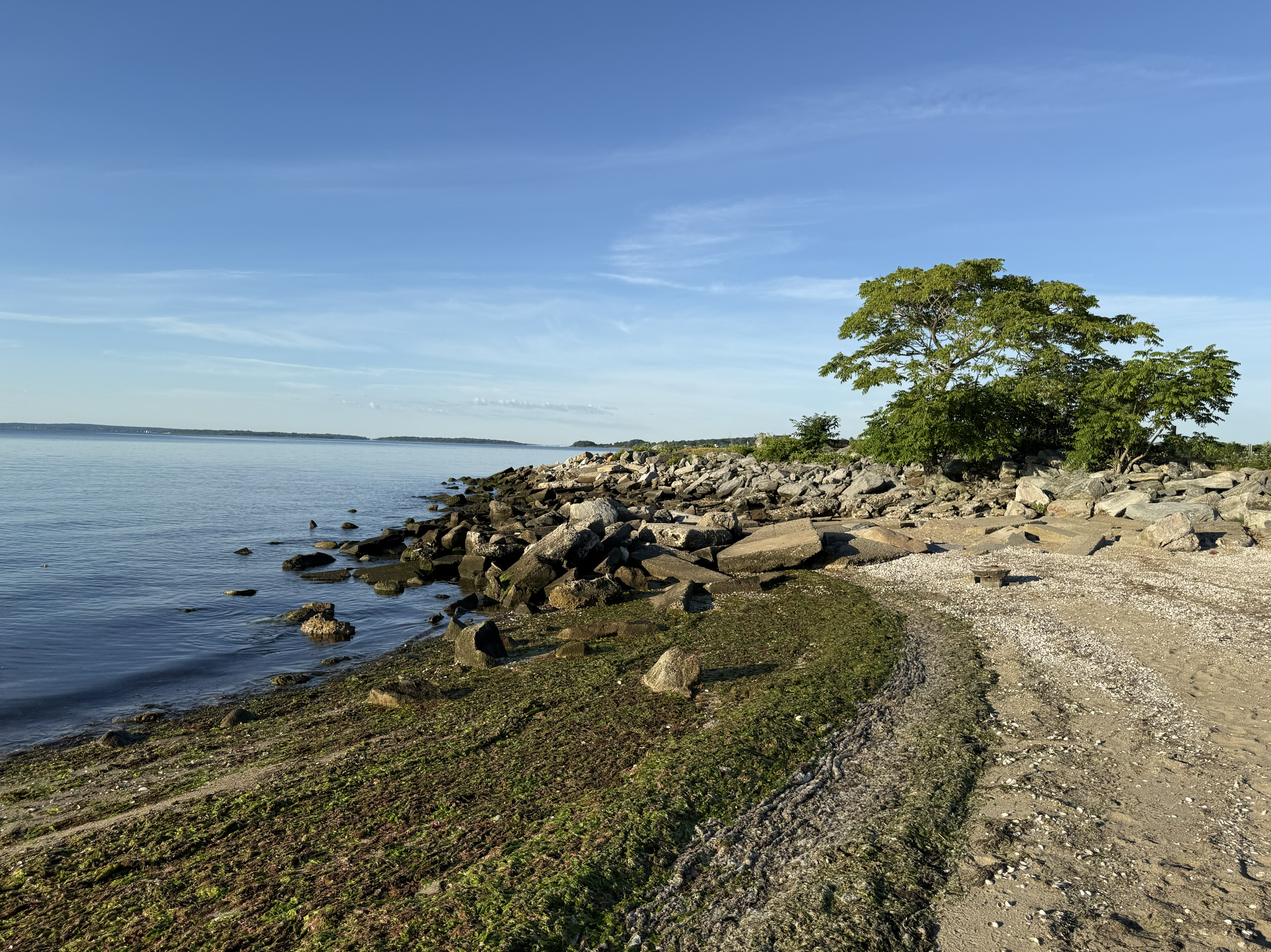
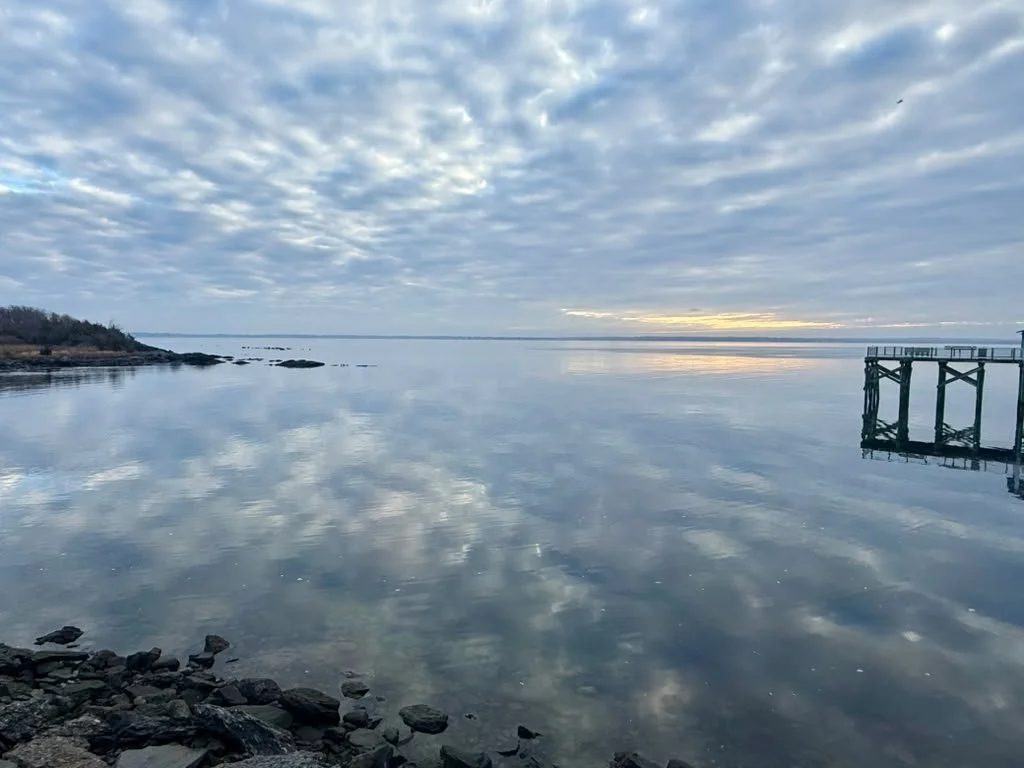
I'm not a climate scientist. But I don't need to be one to look at this coastline and understand what's at stake.
In 1938, a hurricane struck Rhode Island with a storm surge of nearly 16 feet along Narragansett Bay. It swept homes off their foundations. People in Warwick — in Buttonwoods, Oakland Beach, and Conimicut died. When it was over, Providence built the Fox Point Hurricane Barrier to protect itself. Warwick Neck has no such protection.
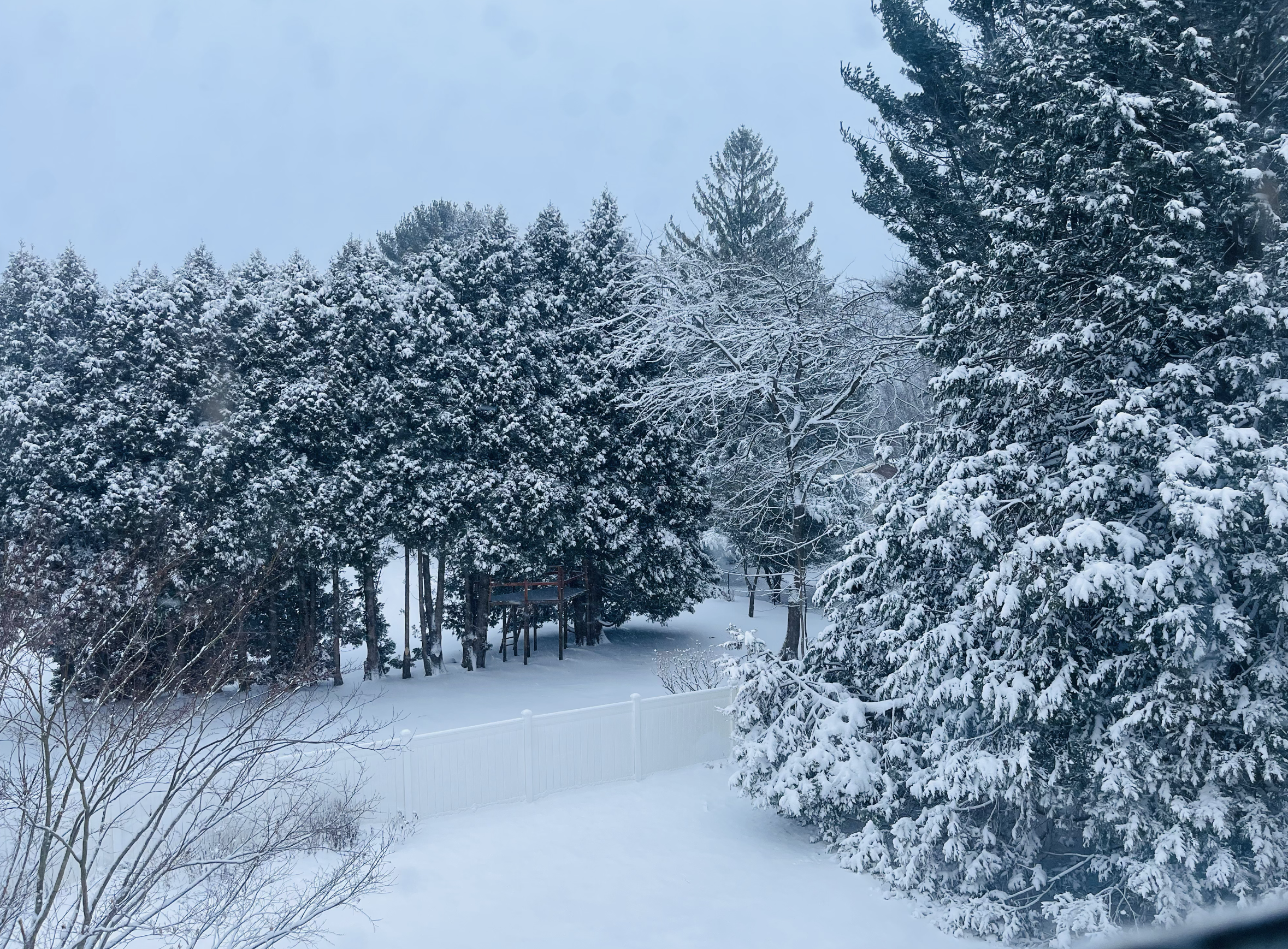
This past February, Rhode Island recorded the largest snowstorm in state history, 37.9 inches right here in Warwick, surpassing even the Blizzard of '78. Storms that used to be once-in-a-generation are becoming routine.
Rhode Island's own modeling tool — STORMTOOLS, built by the state's Coastal Resources Management Council together with NOAA and the University of Rhode Island — shows what a severe storm could mean for this peninsula. The projection is stark: under significant sea level rise conditions, Warwick Neck doesn't just flood. It becomes an island — separated from the rest of Warwick entirely.
I live here. That's not a data point to me. That's my home, my family, my neighbors.
The Rocky Point Gateway project is a step in the right direction. It includes upgraded stormwater management and drainage, and is specifically designed to increase the park's resilience to coastal impacts and extreme weather. We need more investments like it.
What we don't need is to bulldoze the wooded land directly across the street — natural buffer, tree canopy, and all — to build. Every acre of coastal woodland we pave over makes storm surge worse, not better.
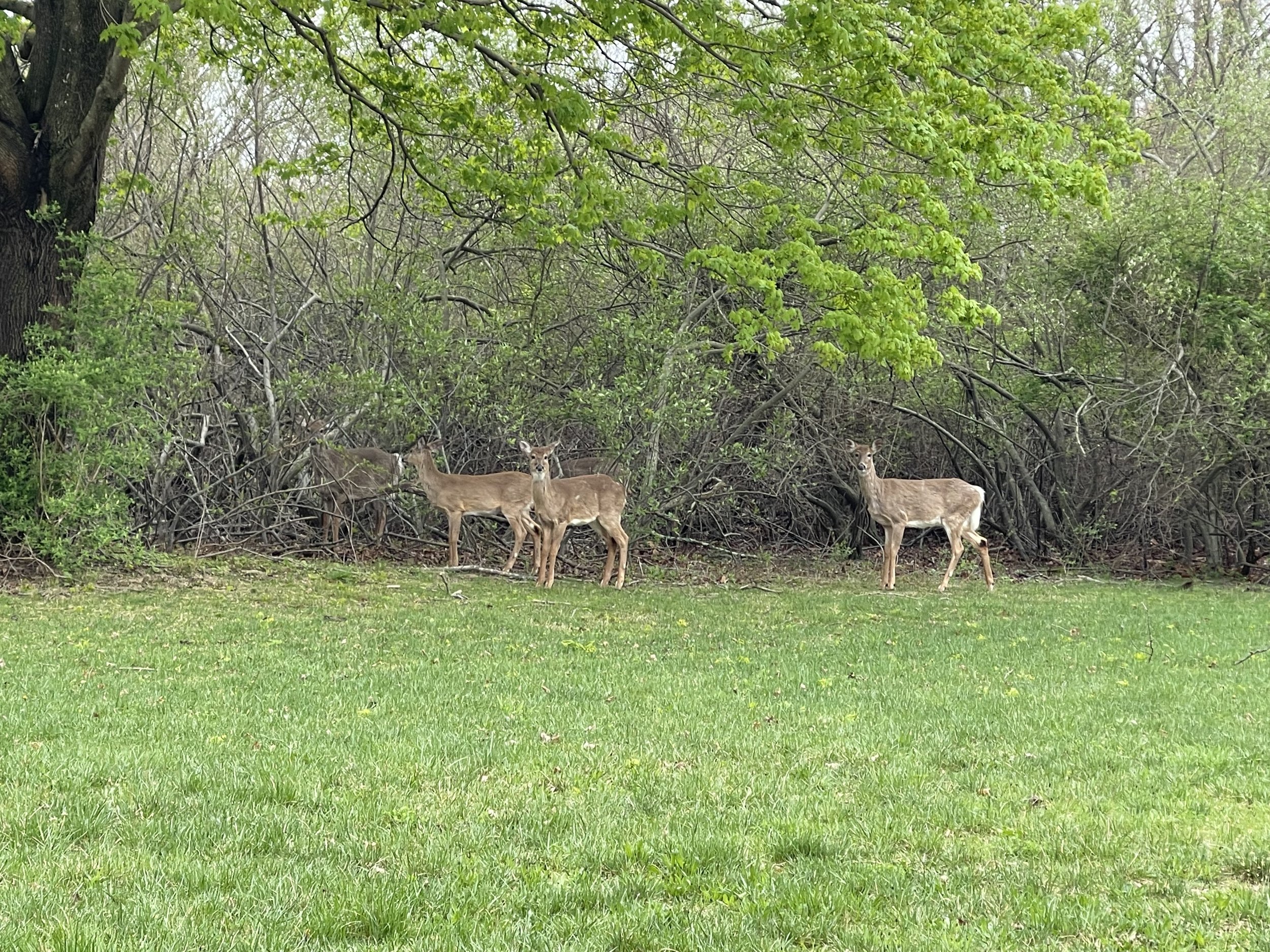
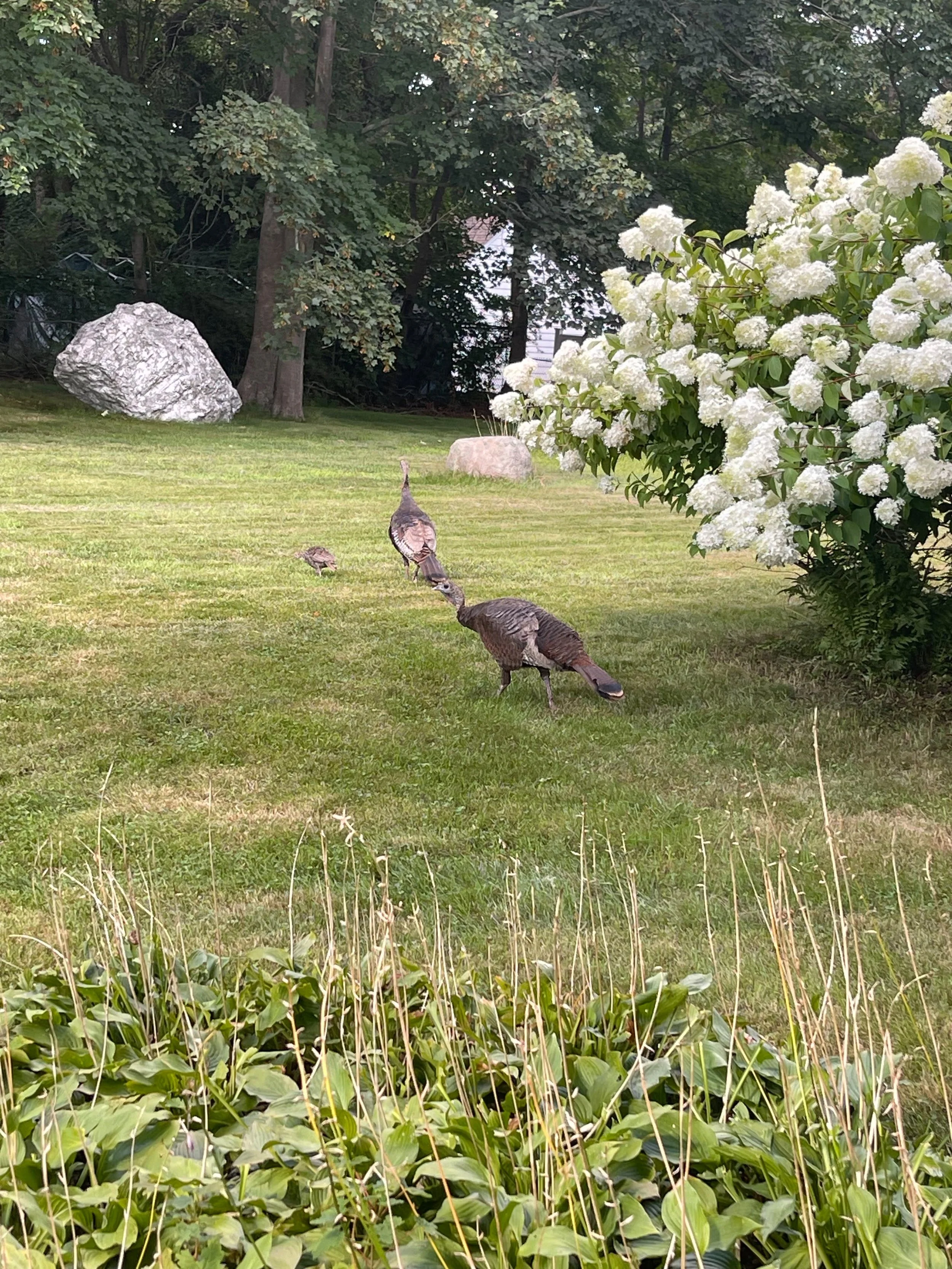
And there's more at stake than flood lines and drainage. These woods are home to wild turkeys, fox, mink, deer, coyotes, rabbits, osprey, and more birds than you can count. That wildlife doesn't just enrich our lives. It depends on us. Once we pave it over, it's gone. We have a duty to preserve what makes this peninsula magical, not just for ourselves, but for every living thing that calls it home.
We are not doing enough to protect this coastline. I will fight to change that.

education
I believe in public education. I also believe one size does not fit all.
Children have different needs, different learning styles, and different circumstances. Parents should be able to find a high-performing school that works for their child — and as children grow, they should have a voice in where and how they learn. That principle guides everything I believe about education policy.
But here in District 22, the most urgent fight is about money, and who bears the burden.
Rhode Island's education funding formula is broken. The Rhode Island Foundation’s Blue Ribbon Commission on school funding identified the changes needed to make it more equitable: move more dollars directly toward teaching and learning, shift legacy pension costs and transportation off local budgets and onto the state, and ensure that cities and towns aren't forced to choose between funding schools and funding everything else.
Right now, Warwick families pay their taxes, fund their schools, and watch too much of that money get consumed by costs that have nothing to do with teaching and learning — instead of legacy pension debt and transportation costs that the state, not Warwick, should be carrying.
Warwick families are already facing a near 4% tax hike this year. I will fight to implement the Blue Ribbon Commission's recommendations: a formula that finally accounts for the real cost of educating our kids, phased in responsibly, so Warwick isn't left holding the bag year after year.
I've navigated this system as a parent. I've helped other parents navigate it too. I know what it looks like when funding works for kids, and what it looks like when it doesn't. That's exactly the experience I'm bringing to this fight.